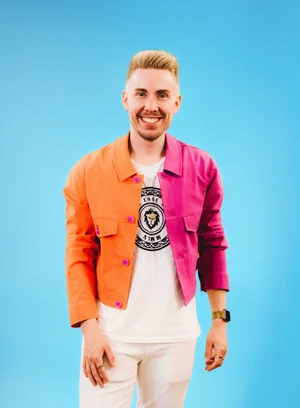
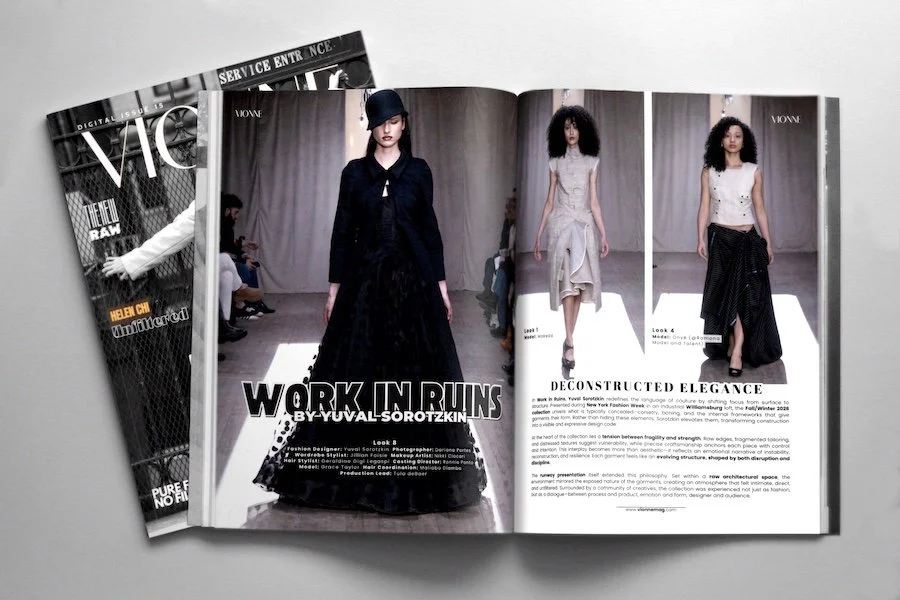
Yuval Sorotzkin: Work In Ruins
“For me, draping is the bridge between emotion and structure.”
Text: VIONNE Magazine | Fashion Designer: Yuval Sorotzkin
Casting Director: Ronnie Ponto | Photographer: Dariana Portes
Hair Coordination: Maliabo Diamba | Production Lead: Tula DeBaer
Hair Stylist: Geraldine Gigi Legaspi | Makeup Artist: Nikki Ciocari
Wardrobe Stylist: Jillian Foisie
Deconstructed Elegance
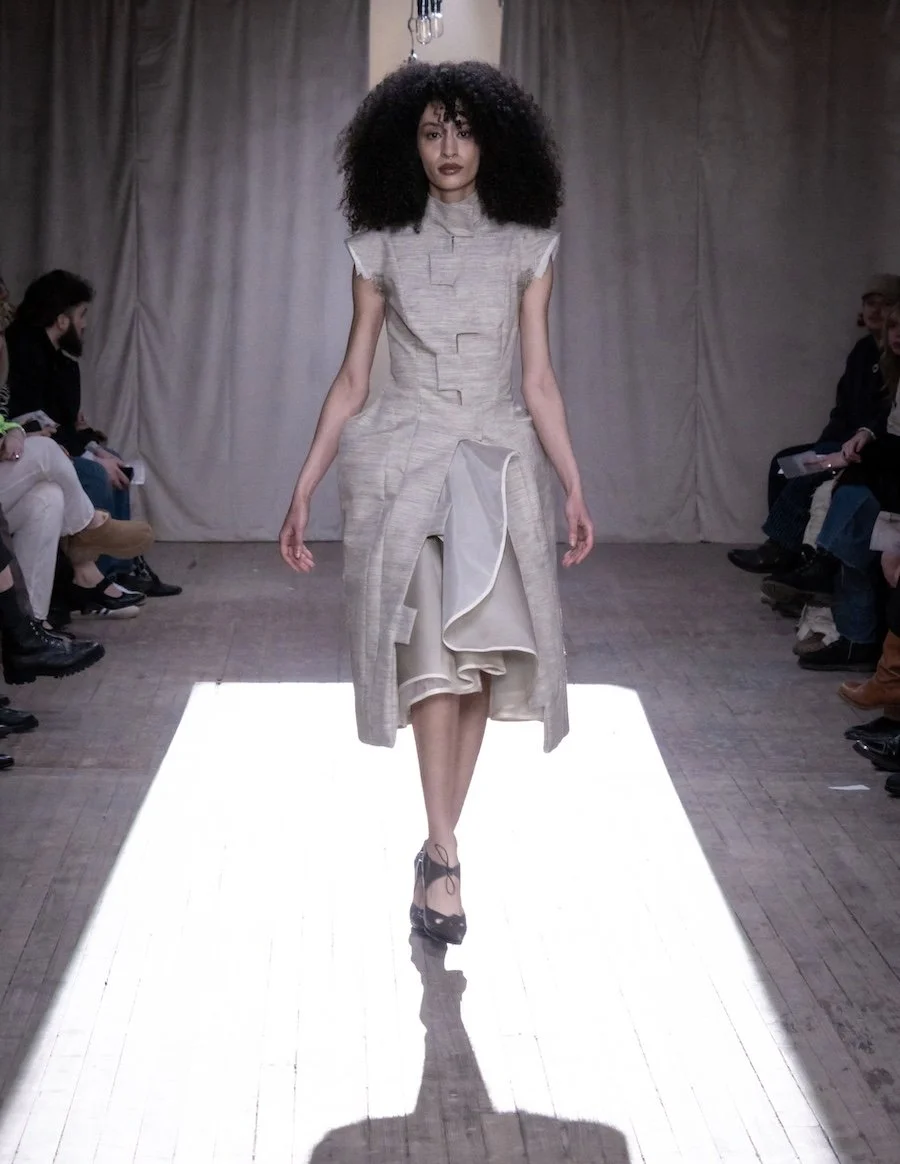
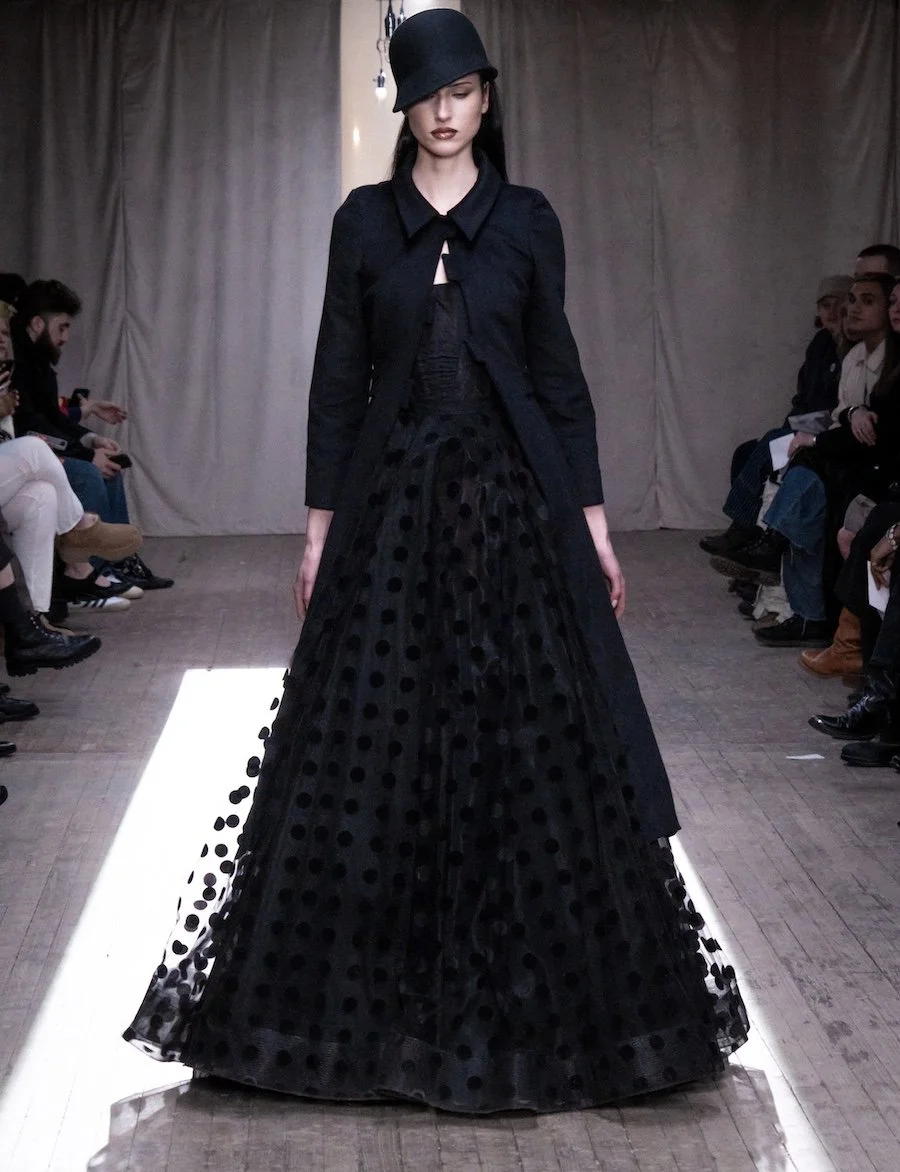
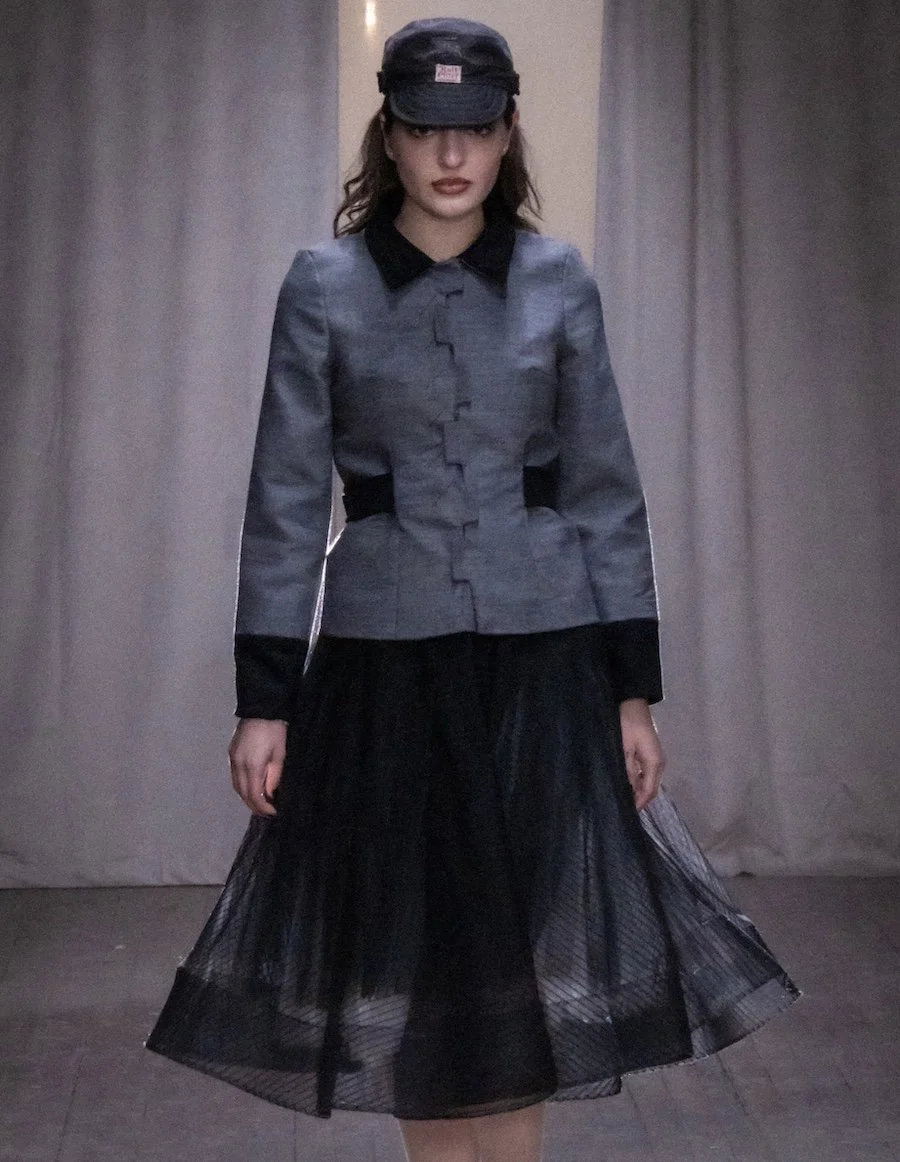
In Work in Ruins, Yuval Sorotzkin redefines the language of couture by shifting focus from surface to structure. Presented during New York Fashion Week in an industrial Williamsburg loft, the Fall/Winter 2026 collection unveils what is typically concealed—corsetry, boning, and the internal frameworks that give garments their form. Rather than hiding these elements, Sorotzkin elevates them, transforming construction into a visible and expressive design code.
At the heart of the collection lies a tension between fragility and strength. Raw edges, fragmented tailoring, and distressed textures suggest vulnerability, while precise craftsmanship anchors each piece with control and intention. This interplay becomes more than aesthetic—it reflects an emotional narrative of instability, reconstruction, and resilience. Each garment feels like an evolving structure, shaped by both disruption and discipline.
The runway presentation itself extended this philosophy. Set within a raw architectural space, the environment mirrored the exposed nature of the garments, creating an atmosphere that felt intimate, direct, and unfiltered. Surrounded by a community of creatives, the collection was experienced not just as fashion, but as a dialogue—between process and product, emotion and form, designer and audience.
Interview with Yuval Sorotzkin
VIONNE: Yuval, your F/W26 collection Work in Ruins explores the idea of revealing what is usually hidden. Where does the initial inspiration for your collections begin—conceptually or emotionally?
Yuval: My collections usually begin from an emotional starting point rather than a purely conceptual one. In my work, I’m often exploring the tension between vulnerability and construction, how something fragile can still hold structure. With Work in Ruins, I was thinking about instability and the act of rebuilding, both emotionally and physically. That idea translated naturally into the garments themselves: revealing the hidden architecture of clothing by exposing corsetry, boning, and internal structures that are typically concealed. It became a way of allowing the making process and the inner mechanics of the garment to become part of the visual language of the collection.
VIONNE: There is a strong dialogue between fragility and strength throughout the collection. How do you approach balancing these two opposing forces in your designs?
Yuval: The tension between fragility and strength has become a central language in my work. Garments require strong internal architecture in order to exist, yet I’m interested in allowing them to communicate a sense of vulnerability at the same time. I approach this through precise construction paired with surfaces that feel intentionally disrupted or unfinished. Exposed seams, fragmented tailoring, and raw edges suggest fragility, while the internal structures - corsetry, boning, and carefully engineered draping, provide stability and control. This dialogue between delicacy and structure allows the garments to feel both protective and exposed, reflecting the emotional complexity that informs much of my work.
VIONNE: Exposed corsetry and deconstructed tailoring play a central role in this collection. What draws you to these elements as a form of expression?
Yuval: Throughout my practice I’ve been drawn to the hidden mechanics of garments. In couture, much of the artistry exists within the internal construction, the structures that shape and support the garment but are rarely seen. By exposing corsetry and deconstructing tailoring, I wanted to bring those elements into focus and allow them to become part of the garment’s visual identity. It shifts the piece from being purely decorative to something more architectural, where the structure itself becomes expressive. For me, revealing those internal systems also reflects a broader interest in showing the process behind the finished object.
VIONNE: Your work feels deeply emotional yet highly structured. How do you translate abstract emotions into precise, technical garments?
Yuval: For me, draping is the bridge between emotion and structure. When I start working directly on the form, it allows the garment to evolve more intuitively. From there, I translate those shapes into patterns and technical construction. The emotional starting point might be abstract, but through pattern making, tailoring, and couture techniques it becomes something very precise. I like that process of turning something intangible into something physical.
VIONNE: Presenting the collection in Williamsburg during New York Fashion Week gave it a distinct atmosphere. How did the location influence the storytelling of the runway?
Yuval: The show took place in a large industrial loft in Williamsburg during New York Fashion Week, and the raw architectural quality of the space felt very aligned with the spirit of the collection. The exposed walls and open structure echoed the idea of revealing the hidden framework of garments. Rather than creating a highly polished runway environment, I wanted the setting to feel direct and honest, allowing the construction of the pieces to speak for itself. The presentation brought together a community of designers, stylists, photographers, and industry guests, creating an energy that felt both intimate and collaborative while reinforcing the narrative of the collection.
VIONNE: What was important for you to communicate through the show experience itself?
Yuval: It was important for the presentation to feel intimate while keeping the focus firmly on the garments and their construction. In my work, the technical process and emotional narrative are closely connected, so I wanted the show to create a space where both could be felt clearly. The presentation brought together a community of designers, stylists, photographers, and industry professionals, and that shared energy played an important role in shaping the atmosphere of the show. Beyond presenting the collection, the goal was to create an experience where the audience could engage with the craftsmanship and the emotional depth behind each piece.
VIONNE: How did the collaboration with your team—from casting to styling and production—shape the final outcome of the presentation?
Yuval: Collaboration is an essential part of realizing a runway presentation, but it begins with a clear creative direction. For this show, I worked closely with the team across casting, styling, production, and creative development to translate the ideas behind the collection into a cohesive experience. Each collaborator contributed their expertise, helping refine how the garments were ultimately seen and understood on the runway. That dialogue allowed the presentation to extend beyond the clothing itself, shaping the pacing, atmosphere, and visual narrative of the show. While the collection originates from my design process, the collaboration with the team helped bring the vision fully to life.
VIONNE: Looking ahead, what creative projects, collaborations, or presentations are you exploring next?
Yuval: While I continue with my couture eveningwear collections, which remain central to my practice, I’m also expanding the work into ready-to-wear. This month I will be presenting select ready-to-wear pieces from the collection in stores in Manhattan, which creates a new context for the work to exist beyond the runway. It’s been exciting to explore how the same ideas of structure, craftsmanship, and emotional expression can translate into pieces that people can interact with more directly. Alongside this, I’m continuing to develop future collections and exploring new collaborations and presentations that build on the foundation of the brand.
Want more?
Discover more powerful stories and explore exclusive features, interviews, and fashion highlights.